Find a course Open to search & filter Close to tuck away 0 filters on
-
32 of 40 seats left
Faculty
 Paul Dunlap
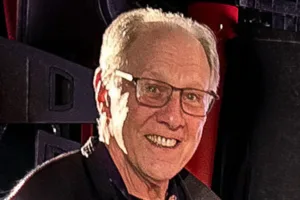
Paul has been playing with cars since he was a kid and currently owns a 1958 Edsel Pacer Convertible since 2015. He is currently a member of The International Edsel Club, the SE Governor of the Edsel Owners Club, and…
See Paul Dunlap’s full profile Jason McKnight
Jason is a 24-year resident of Celebration and a 30-year software engineer at Disney. He’s always had an interest in mechanical things and really dove into the classic car hobby with a ground-up rebuild of a 1966 VW Beetle. He…
See Jason McKnight’s full profile David Noznesky
David and his wife have been Celebration residents for over six years. Since he was a teenager, he has been interested in anything mechanical, and that has graduated to his love of cars. For many decades, he sought out and…
See David Noznesky’s full profileCourse description
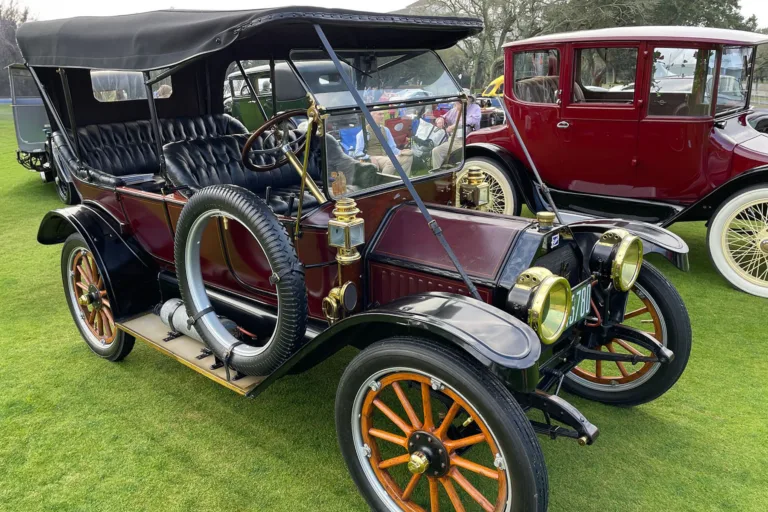
Learn about historic beginnings and endings in the automotive industry as told through three vehicles, a 1913 Buick, a 1927 Ford Model T, and a 1958 Edsel. Buick helped start General Motors and hasten the end of the independent auto makers. The Model T began Ford Motors and the rise of the automobile with the 1927 edition being the last Model T to be manufactured. The 1958 Edsel, Ford’s first mid-priced car of the ‘50’s, almost ruined the company and ended production after only two-and-a-half disappointing years. Each class will showcase one of the cars and its owner, and the cars will be there live (weather permitting) for you to view and ask questions about.
-
This session has ended.
Faculty
 Meryl Rachlin
Meryl Rachlin has been an artist ever since she could draw a simple figure as a child. Her dad, an artist, recognized her talents and fostered her creative learning throughout her schooling. She attended Mass College of Art, majoring in…
See Meryl Rachlin’s full profileCourse description
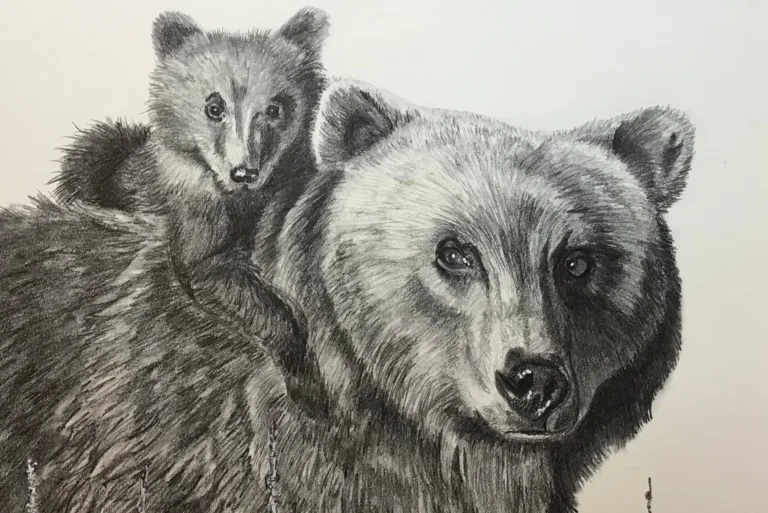
This is not a beginner drawing course! This course is for anyone who has already taken beginning drawing or has some basic knowledge in drawing objects accurately already. We will continue our learning by first reviewing shading. Where is the light source coming from? Is your object flat-surfaced or curved? How do we draw objects casting shadows? We will next try our hand at drawing various textures, such as wood grain, shiny, clear, bumpy…You will need a pad (minimum size 9x12”) of sketch/drawing paper, a range of pencils from blacks to hards, a kneaded eraser, pencil sharpener, and a drawing board. Note: This course begins at 10:00 am.
-

Investing in Their Future: Smart Savings Strategies for Children and Grandchildren
Session ended Session #1
Thursdays, 12:00 pm – 1:15 pm
This session has ended.
Faculty
 Elizabeth McCollum CFP(R) CEP(R)
Elizabeth McCollum is a fiduciary flat-fee financial advisor. After a successful career in corporate finance, human resources, marketing, and operations culminating as US CEO for an international food company, she fulfilled her passion for personal finance by becoming a Certified…
See Elizabeth McCollum CFP(R) CEP(R)’s full profileCourse description
Whether you are a parent, grandparent, guardian, or other caring adult, choosing how to save for a child’s future can be overwhelming. This three-part course explores the most effective ways to save and invest on behalf of children. It compares available account options and helps participants create a personalized plan that aligns with their financial goals and family values.
-
8 of 12 seats left
Faculty
Meryl Rachlin
Meryl Rachlin has been an artist ever since she could draw a simple figure as a child. Her dad, an artist, recognized her talents and fostered her creative learning throughout her schooling. She attended Mass College of Art, majoring in…
See Meryl Rachlin’s full profileCourse description
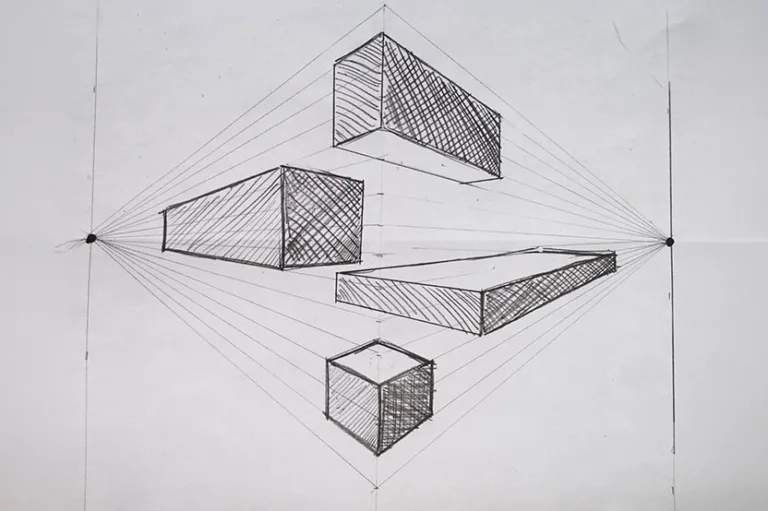
This course is for anyone who wishes to enhance their drawings by understanding basic perspective. It is important when creating accurate drawings of objects, architecture, landscapes, and, well, pretty much everything! This course will give budding artists (or just those who wish to learn) an understanding of one- and two-point perspective through exercises we will do together in each class. You will need 9x12” (or larger) lightweight paper. If you choose to get a pad of graph paper, that will work as well. (Nothing expensive is required.) Pencils, a clear ruler or clear triangle, a pencil sharpener, and an eraser will be needed. If you have a drawing board from a previous class, feel free to bring that as well. Note: This course begins at 10:00 am.
-
This session has ended.
Faculty
 Robert Pearson
Dr. Pearson taught applied statistics at the University of Pennsylvania, authored a textbook on the topic (Statistical Persuasion), and has written numerous articles on the use and misuses of federal statistics. He worked at the National Opinion Research Center at…
See Robert Pearson’s full profileCourse description
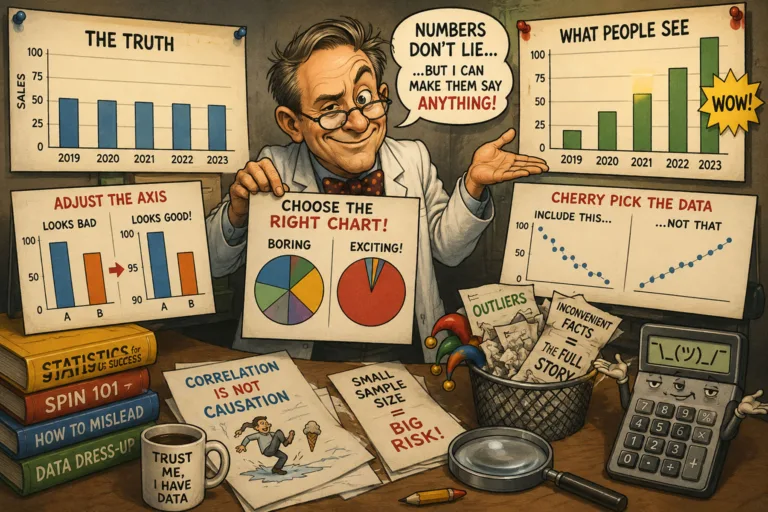
This course seeks to help students become more informed consumers of the statistics that bombard us daily, from claims about drugs’ effectiveness to predictions about election outcomes. When should we trust (or be skeptical) of claims about public opinion or voter intentions? How can we know what a population is like when observing only a few members of it? How are measures of unemployment, inflation and similar public statistics actually measured? And what are some hidden characteristics of such simple statistics as mean, median, and percentage change? If fake news wasn’t bad enough, this course examines the cases in which even the truth can be misleading.
-
Faculty
 Angela Kiker
Angela is a former schoolteacher and adjunct faculty for 2 universities. She is a former site administrator for Hewlett Packard and worked for Lockheed Martin in many capacities over the years. As of 2007, she became a mental health counselor.…
See Angela Kiker’s full profileCourse description
Discover practical ways to strengthen your relationships by understanding the five Love Languages. In this interactive three-week course, you'll identify your own preferred love language, learn how others give and receive appreciation, and explore ways to communicate care more effectively. Topics include using Love Languages in close relationships, friendships, family, the workplace, and even long-distance connections, while also incorporating these insights into your own self-care.